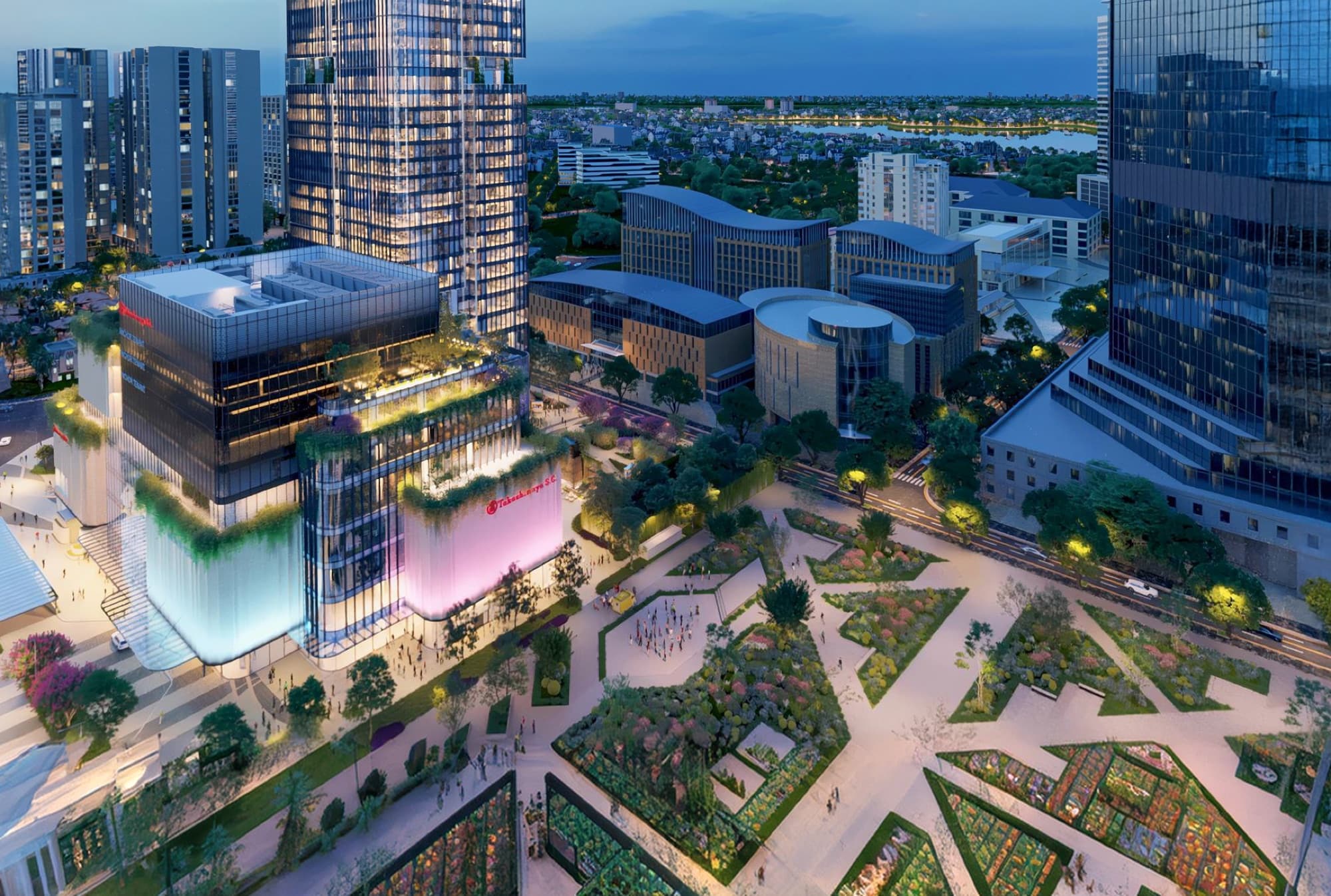
A New Driving Force Behind Modern Retail
As consumer behavior continues to evolve rapidly, sheer size is no longer enough for shopping malls to stand out and retain customers. Instead, consumers, particularly young families and younger generations, are increasingly seeking spaces that prioritize personalized and engaging experiences.
According to a recent report, Deloitte identifies experience as a new driving force in modern retail. Consumers visit shopping malls not only to purchase products but also to discover experiences and amenities that resonate with their preferences and emotions. “Products alone are no longer enough. Retailers are reassessing the value of customer experience as a key differentiator in today’s market,” Deloitte notes. (1)
Savills Vietnam also highlights that shopping malls integrating a diverse range of lifestyle services and experiences are better positioned to attract and retain customers. This reflects a global trend in which modern retail is increasingly being positioned as a destination for discovery and engagement, rather than serving solely as a place to shop. (2)
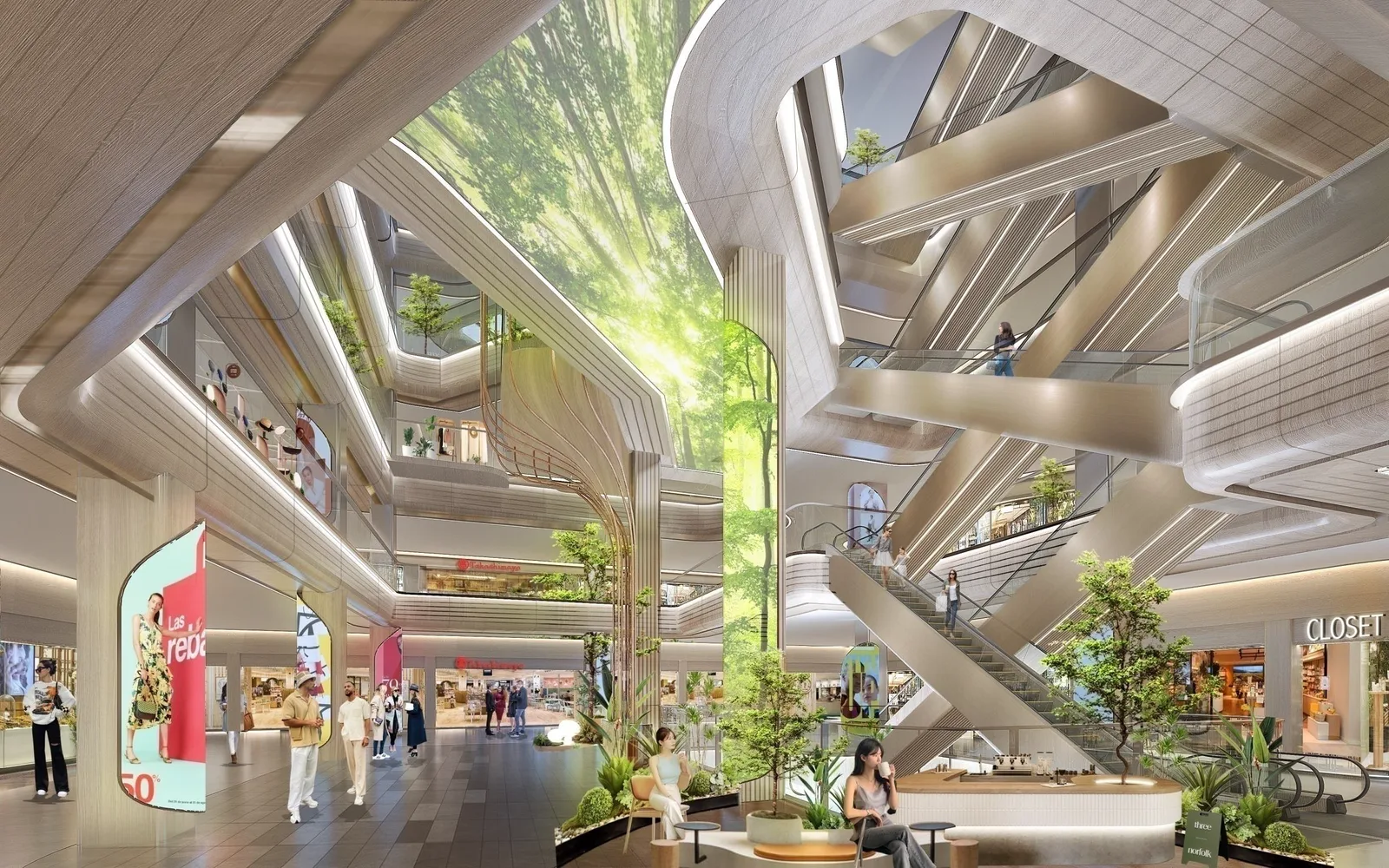
Retail spaces designed to enhance the customer experience are becoming increasingly prevalent across the market. Photo: Toshin Development
Across major cities in Southeast Asia, shopping malls are actively transforming from traditional retail spaces into experiential destinations that bring together retail, culture and entertainment. One notable example is ICONSIAM in Bangkok. In addition to retail stores and dining venues, the development features a recreated floating market, riverside spaces and Thai cultural events, with a strong emphasis on discovery and customer engagement.
Similarly, Taikoo Li Chengdu in Sichuan, China, has invested in open spaces and architecture that blends traditional and contemporary elements, rather than relying on a sense of sheer scale. In Hong Kong, China, K11 Art Mall is among the pioneers of a retail model that combines art and lifestyle. By integrating retail outlets with art exhibitions and community-oriented experiences, the development seeks to foster emotional connections with younger consumers.
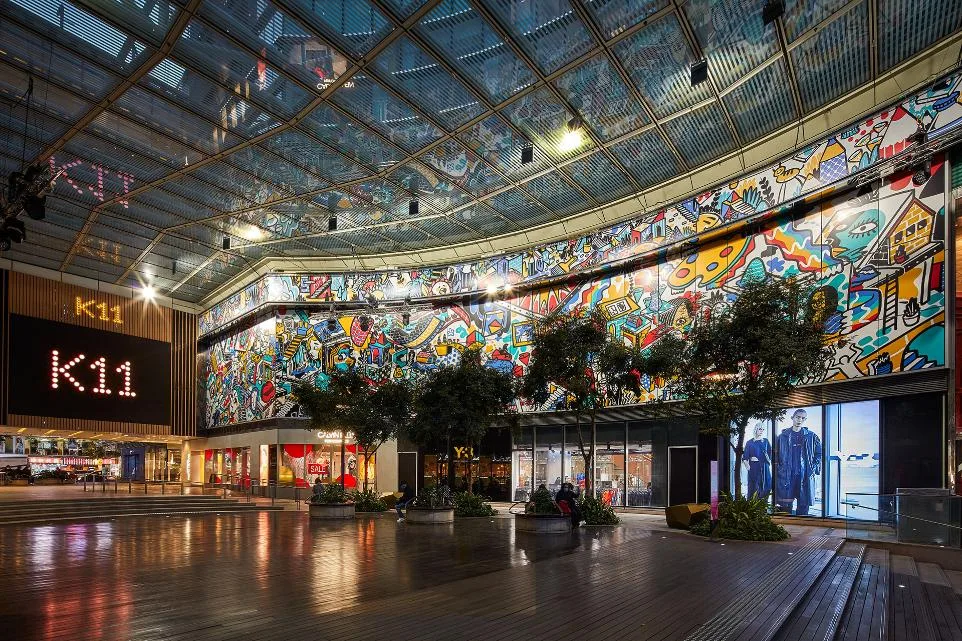
Retail spaces that combine art and lifestyle at K11 Art Mall. Photo: K11 Art Mall (3)
Mai Vo, Director of Retail Services at CBRE Vietnam, observes that a new generation of shopping malls is gradually taking shape, redefining the retail landscape through a new operating model and a longer-term structural transformation rather than short-term market fluctuations. Alongside large-scale projects targeting mass-market consumers, models such as mixed-use developments, experience-led malls focused on entertainment and lifestyle, and flagship stores are well positioned for growth. In particular, small- and medium-sized shopping malls that emphasize personalized services can deliver higher-quality customer experiences.
She notes that Vietnam’s retail market is entering a new phase of competition, in which consumer experience and brand positioning are becoming increasingly important to both developers and tenants. Medium-sized shopping malls built around this model therefore continue to hold strong appeal, with their ability to bring together iconic brands and distinctive experiences that help cultivate a strong core customer community.
Westlake Square Hanoi: A New Landmark in Retail
In Hanoi, the experience-led retail model is gaining momentum with the introduction of Westlake Square Hanoi. The premium development combines Grade A office space with Hanoi Takashimaya S.C., bringing a renowned Japanese retail brand to the market.
Westlake Square Hanoi is positioned as a premium destination where curated offerings and meaningful experiences take precedence over sheer scale. Located in the heart of Tay Ho Tay, an emerging growth hub benefiting from coordinated urban planning, improving connectivity and an affluent residential community, the development is well placed to support the growth of a new generation of retail destinations. Phase 1 comprises a 10-storey building with approximately 43,000 square meters of gross floor area and is scheduled to commence operations in Q3 2027.
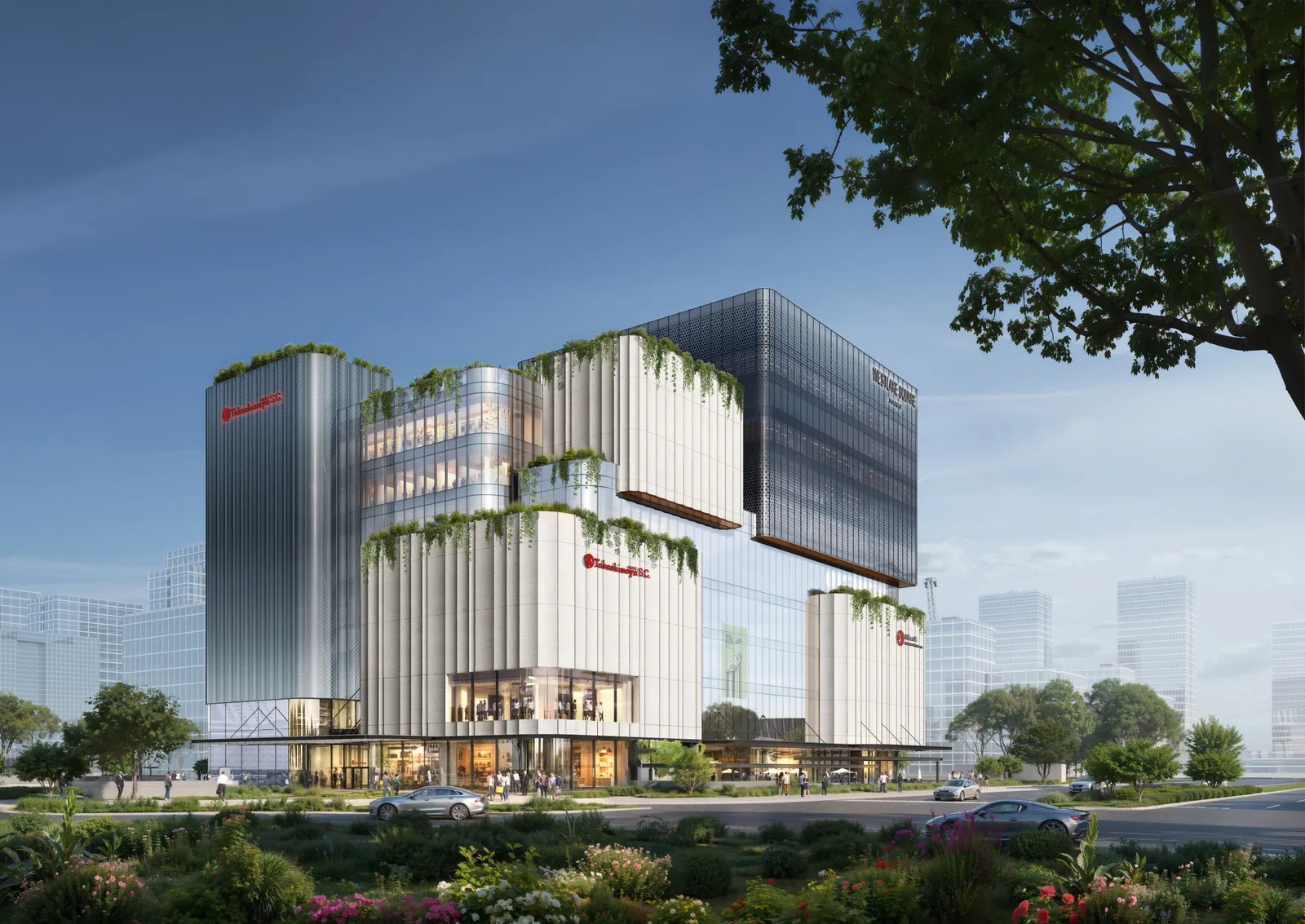
Rather than focusing on scale and quantity, Westlake Square Hanoi aims to create a multi-experience retail environment guided by Japanese standards. Image: Toshin Development
According to Toshin Development, the project’s developer, Westlake Square Hanoi is shaped by a contemporary Japanese design philosophy that harmoniously integrates functionality, nature and community. The development aims to bring together distinctive brands, services and spaces, with each element contributing to a complete lifestyle ecosystem. From an extensive dining destination and a curated selection of fashion and retail brands to a Japanese-standard Onsen complex, the development is designed to meet the needs of a modern community for working, shopping, socializing and enjoying everyday life.
“More than simply a place to visit, Westlake Square Hanoi is envisioned as a destination that becomes a preferred choice in customers’ minds, where every visit brings new value and inspiration,” a representative of Toshin Development shares.
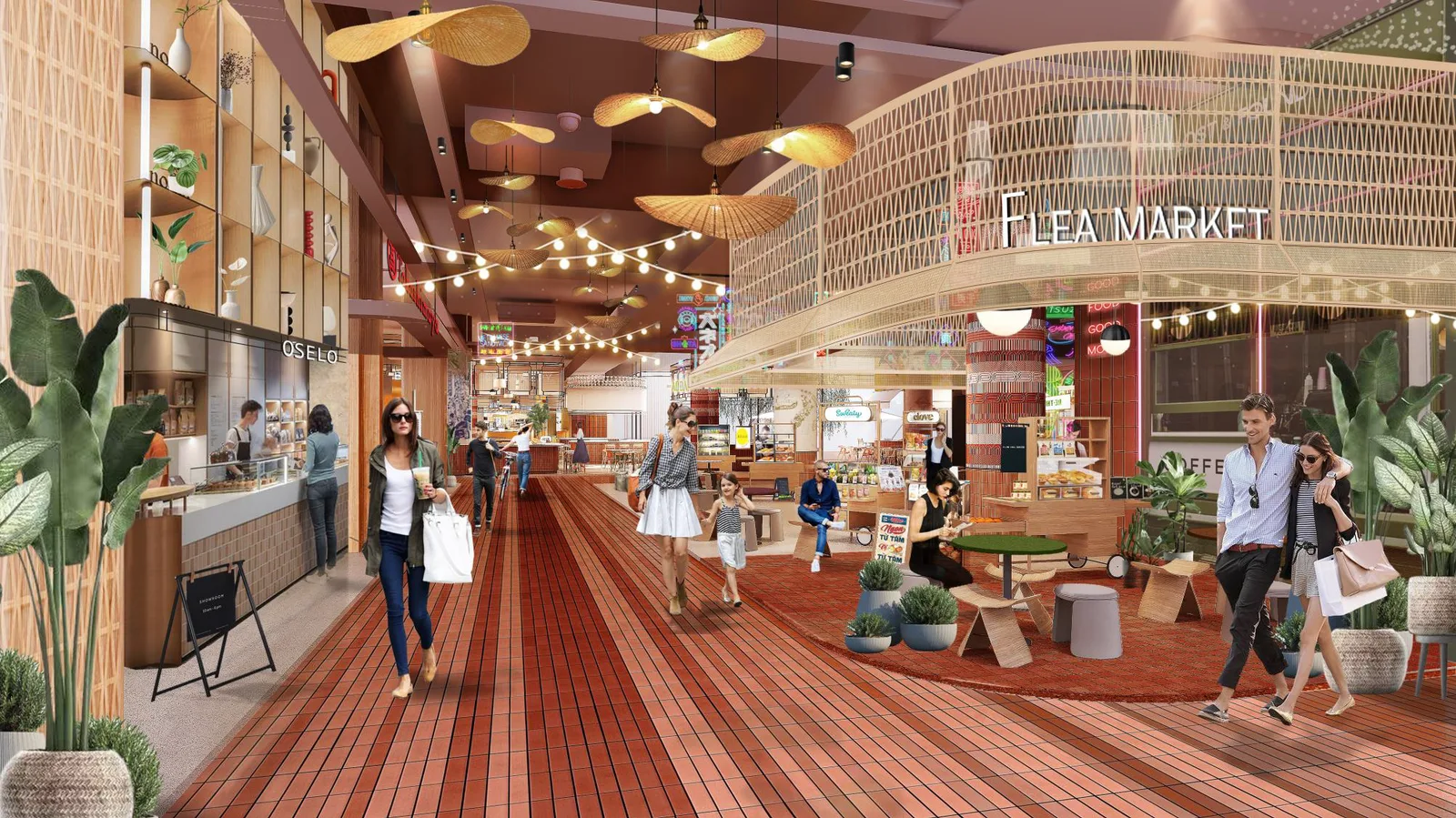
An artist’s impression of the interior of Westlake Square Hanoi, designed with a focus on enriching the customer experience. Image: Toshin Development
As the retail market shifts towards competition based on experience rather than floor area alone, experience-led retail is steadily emerging as a defining trend. In Hanoi, the introduction of Westlake Square Hanoi not only responds to evolving consumer expectations but also reflects Toshin Development’s forward-looking and adaptive approach to reshaping the capital’s retail landscape.
References
(1) Deloitte Digital: Retail 2026: Trends in Consuming Differently
(2) Real Estate Asia: Hanoi Malls Shift Focus to Fashion, F&B and Lifestyle
(3) K11: Official Website